Common Causes of Damage to Concrete Flatwork
People seeking damage to concrete flatwork repair often want to fix cracks, spalling, or uneven surfaces, and local contractors can provide expert solutions.
Understanding the common causes of damage to concrete flatwork is essential for property owners looking to maintain the integrity and appearance of their outdoor spaces. Factors such as freeze-thaw cycles, improper installation, and exposure to harsh weather conditions can all contribute to cracking, spalling, and other forms of deterioration over time. Recognizing these issues early can help prevent more extensive damage and costly repairs down the line. Local contractors experienced in concrete flatwork repair have the expertise to assess these common problems and recommend effective solutions, ensuring that your property remains safe and visually appealing.
Property owners in the area often explore this topic to protect their investments and avoid the inconvenience of uneven or compromised surfaces. Whether it’s a driveway, patio, or walkway, understanding what causes damage can lead to better maintenance practices and timely repairs. Local service providers are equipped to handle repairs caused by these common issues, restoring flatwork to its original condition and extending its lifespan. Keep reading to learn more about the typical causes of damage and how local contractors can help address them efficiently and effectively.
- Driveway repair - when cracks or uneven surfaces develop due to frequent vehicle traffic, local contractors can assess and restore the flatwork to prevent further damage.
- Patio restoration - if weathering or shifting causes surface deterioration, service providers can perform repairs to maintain structural integrity and appearance.
- Sidewalk crack repair - in cases where ground movement or heavy use leads to cracking, local pros can address issues to ensure safety and longevity.
- Garage floor repair - when concrete slabs experience spalling or heaving from moisture or temperature changes, specialists can perform necessary fixes.
- Industrial flatwork repair - damage caused by heavy machinery or improper installation can be remediated by experienced service providers to restore flatwork stability.
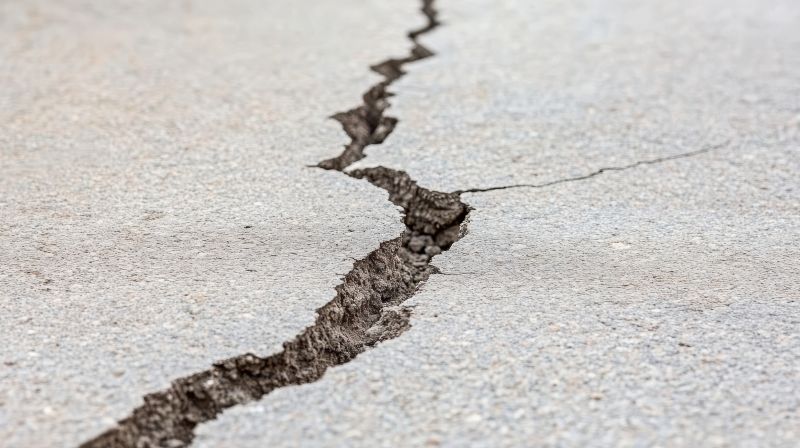
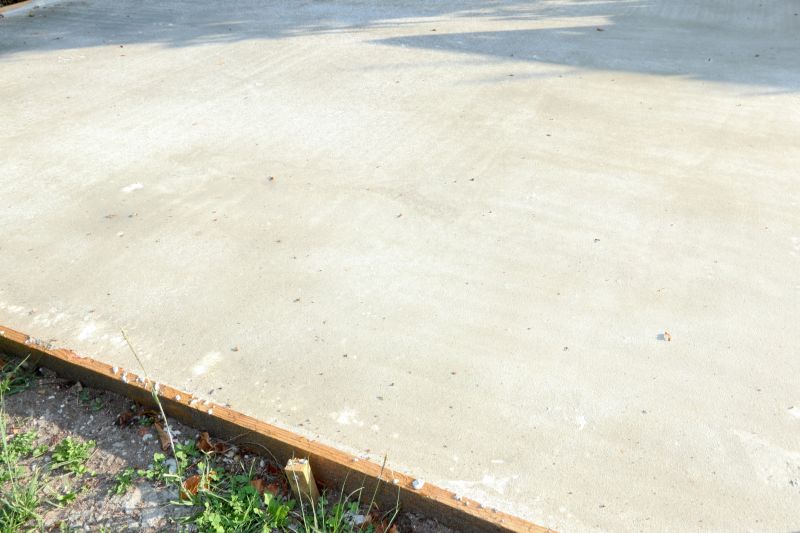
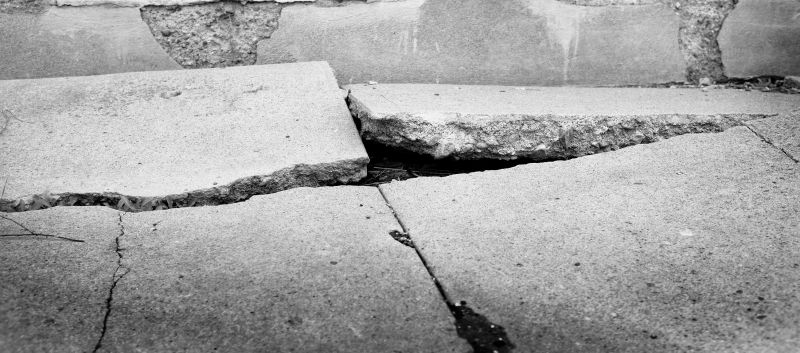
When homeowners search for information about common causes of damage to concrete flatwork, they are often trying to understand why their existing surfaces are deteriorating or developing issues. Concrete flatwork typically refers to horizontal surfaces such as driveways, sidewalks, patios, and flooring in garages or basements. Damage to these surfaces can manifest as cracks, spalling, uneven settling, or surface pitting, which may compromise both appearance and safety. Recognizing the root causes of these problems helps property owners determine whether repairs are needed and what kind of solutions might be appropriate. Local contractors who specialize in concrete flatwork repair can assess these issues, identify underlying causes, and recommend effective fixes to restore the surface’s integrity.
Many common causes of damage to concrete flatwork are related to environmental conditions and the natural properties of concrete itself. For instance, exposure to water and moisture is a leading factor, especially if water seeps into small cracks or porous areas and then freezes during colder months. The expansion of ice can cause the concrete to crack or spall over time. Additionally, improper drainage around the property can lead to pooling or persistent moisture underneath the surface, accelerating deterioration. Heavy loads from vehicles or equipment can also contribute to cracking and surface wear, especially if the concrete was not designed to handle such stress. Local service providers often evaluate these factors to determine whether water management improvements or reinforcement are necessary to prevent further damage.
Another significant cause of damage to concrete flatwork involves poor installation practices or subpar materials. When concrete is not mixed correctly, or if the curing process is rushed or inadequate, the finished surface may be more prone to cracking and surface deterioration. Inadequate reinforcement, such as a lack of rebar or mesh, can leave the concrete vulnerable to cracking under stress. Additionally, age plays a role; over time, concrete naturally loses some of its strength and resilience, especially if it has been subjected to repeated freeze-thaw cycles or chemical exposure. Local contractors experienced in flatwork repair are familiar with these issues and can address them through proper repair techniques, such as crack filling, patching, or resurfacing to extend the lifespan of the concrete.
Lastly, chemical exposure and surface wear are common causes of damage to concrete flatwork. De-icing salts, oil spills, and other chemicals can weaken the surface and cause deterioration or staining. Over time, these substances can lead to surface pitting or discoloration, diminishing the appearance and durability of the flatwork. Heavy foot traffic or frequent use can also cause surface abrasion, especially on patios or walkways. Recognizing these causes helps property owners understand the importance of proper maintenance and timely repairs. Local service providers can perform surface evaluations and recommend cleaning, sealing, or repair methods to address chemical damage and prevent further deterioration, helping to maintain the flatwork’s functionality and appearance.
Paving and Driveway Installation - Skills in preparing and laying durable surfaces are essential for addressing damage caused by heavy loads and poor initial installation, connecting homeowners with local contractors experienced in proper flatwork techniques.
Concrete Repair and Restoration - Expertise in fixing cracks, spalling, and surface deterioration directly relates to repairing damage from freeze-thaw cycles, chemical exposure, and improper curing, helping clients find specialists in concrete restoration.
Drainage System Installation - Proper drainage planning and installation can prevent water-related damage to flatwork, making this a related project where local service providers can help mitigate issues caused by poor water management.
Foundation and Structural Repair - Understanding how foundation issues impact flatwork integrity links to services that address underlying causes of cracking and shifting in concrete surfaces, connecting clients with foundation specialists.
Sealcoating and Surface Protection - Applying protective sealants is crucial for preventing damage from moisture, chemicals, and wear, which aligns with services that extend the lifespan of concrete flatwork against common causes of deterioration.
Site Preparation and Grading - Proper site prep ensures flatwork stability and drainage, reducing risks of damage from soil movement and water pooling, and relates to local contractors skilled in preparing surfaces to prevent common flatwork issues.
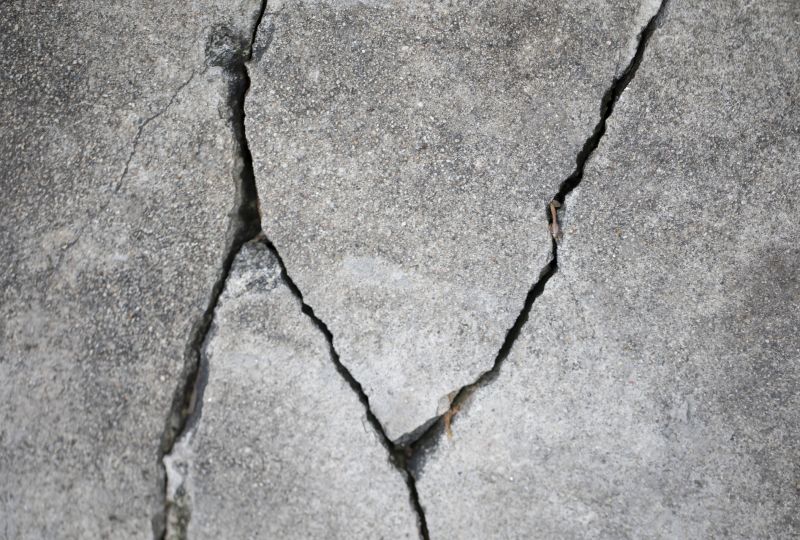
When comparing service providers for concrete flatwork repair, it is essential to consider their experience with similar projects. Homeowners should look for local contractors who have a proven track record of addressing common causes of damage to concrete flatwork, such as cracking, spalling, or settling. An experienced contractor will understand the typical issues that lead to damage and have the skills to evaluate the underlying causes accurately. This familiarity can help ensure that repairs are effective and long-lasting, reducing the likelihood of recurring problems.
Clear, written expectations are a vital part of choosing the right service provider. Homeowners should seek out contractors who provide detailed estimates and scope of work, outlining what repairs will be performed and what materials will be used. Having this information in writing helps prevent misunderstandings and ensures that both parties agree on the project’s scope before work begins. It also allows homeowners to compare proposals more effectively, focusing on the quality of work and the approach to addressing common causes of damage.
Reputable references and good communication are key indicators of a reliable local contractor. Homeowners are encouraged to ask for references or reviews from previous clients who had similar repairs done. This feedback can provide insight into the contractor’s professionalism, quality of work, and ability to communicate clearly throughout the project. Good communication ensures that homeowners can ask questions, express concerns, and receive updates, which contributes to a smoother repair process and greater confidence in the chosen service provider’s ability to handle issues related to concrete flatwork damage effectively.
Property owners often search for common causes of damage to concrete flatwork when they are planning practical projects around their homes and businesses. Local pros provide Damage to Concrete Flatwork Repair services for everyday jobs and straightforward project options.
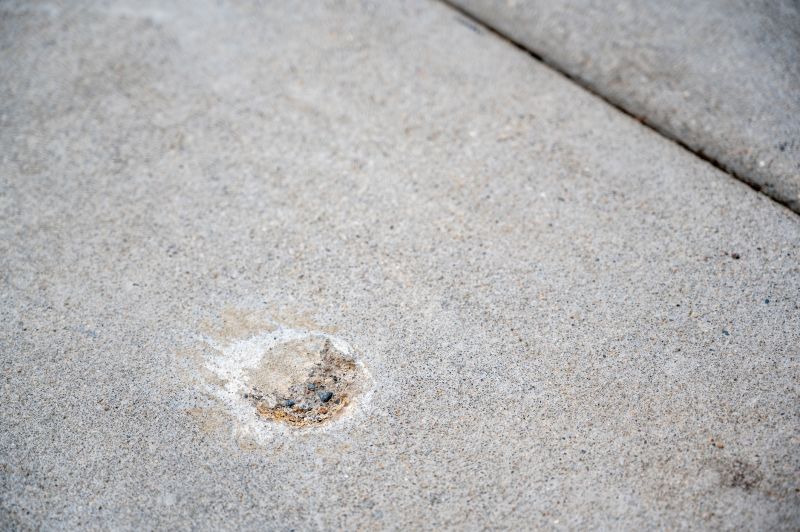
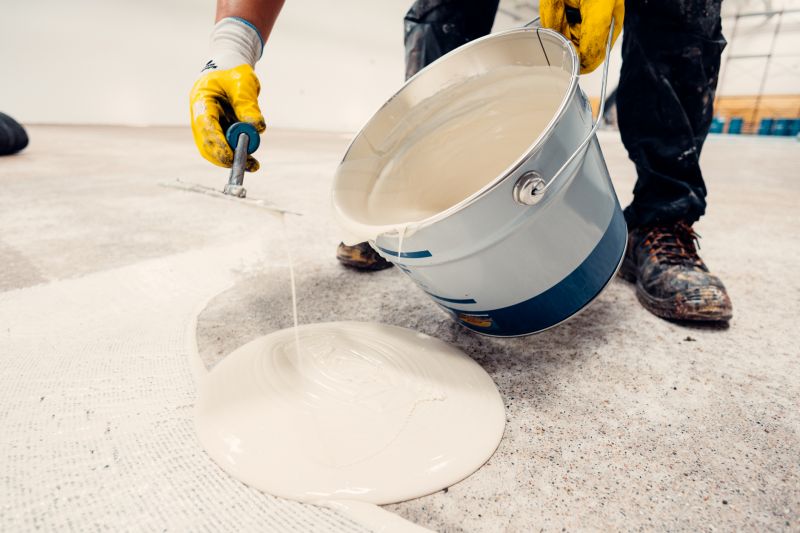
Many property owners in the area find themselves researching common causes of damage to concrete flatwork after noticing cracks, uneven surfaces, or surface deterioration around their driveways, patios, or walkways. Everyday situations such as heavy vehicle traffic, repeated exposure to freeze-thaw cycles, or improper initial installation can contribute to these issues over time. Understanding these causes helps homeowners recognize when damage might be developing and highlights the importance of professional repair services offered by local contractors who specialize in restoring and maintaining concrete flatwork.
In addition, factors like poor drainage leading to water pooling, exposure to harsh weather conditions, or the use of de-icing salts during winter months can accelerate deterioration. Property owners often seek out repair services to address these problems before they worsen, ensuring their flatwork remains functional and visually appealing. Local service providers are equipped to assess the specific causes of damage and recommend appropriate repair solutions, helping to extend the lifespan of concrete surfaces and prevent future issues.
What are common causes of damage to concrete flatwork? Common causes include freeze-thaw cycles, improper installation, heavy loads, and exposure to chemicals or moisture, which can lead to cracking, spalling, or shifting. Local contractors experienced in concrete repair can assess and address these issues effectively.
How does freeze-thaw damage affect concrete flatwork? Freeze-thaw cycles cause water within the concrete to expand when it freezes, leading to cracking and surface deterioration. Skilled repair service providers can help restore and reinforce affected areas to prevent further damage.
Can improper installation lead to damage in concrete flatwork? Yes, poor subgrade preparation, inadequate curing, or incorrect mixing can cause uneven settling, cracking, or surface defects. Local concrete repair experts can correct installation issues and reinforce the flatwork.
What role do heavy loads play in damaging concrete flatwork? Excessive weight from vehicles or equipment can cause cracking, sinking, or surface spalling over time. Service providers experienced in concrete repair can evaluate and strengthen flatwork to handle such stresses.
How do exposure to chemicals or moisture cause damage to concrete flatwork? Chemicals like de-icing salts or prolonged moisture exposure can lead to surface deterioration and corrosion of reinforcement. Local pros can perform repairs to mitigate ongoing damage and improve durability.
Heavy vehicle traffic - property owners can work with local contractors to reinforce flatwork in areas prone to frequent vehicle use to prevent cracking and deterioration.
Poor drainage - ensuring proper slope and drainage solutions can help avoid water pooling that leads to surface damage, with local pros providing expert installation.
Freeze-thaw cycles - applying appropriate expansion joints and selecting suitable materials can reduce damage caused by temperature fluctuations, supported by local repair specialists.
Lack of maintenance - regular inspections and timely repairs by local contractors can address minor issues before they develop into major damage to concrete flatwork.
If you are thinking about common causes of damage to concrete flatwork for a property, this guide is meant to help you understand this topic, the typical project types, and how different options might fit your plans.
When you are ready, you can use the quote form on this page to share a few details about your project. From there, local pros can review the basics and follow up with options that match what you have in mind.